

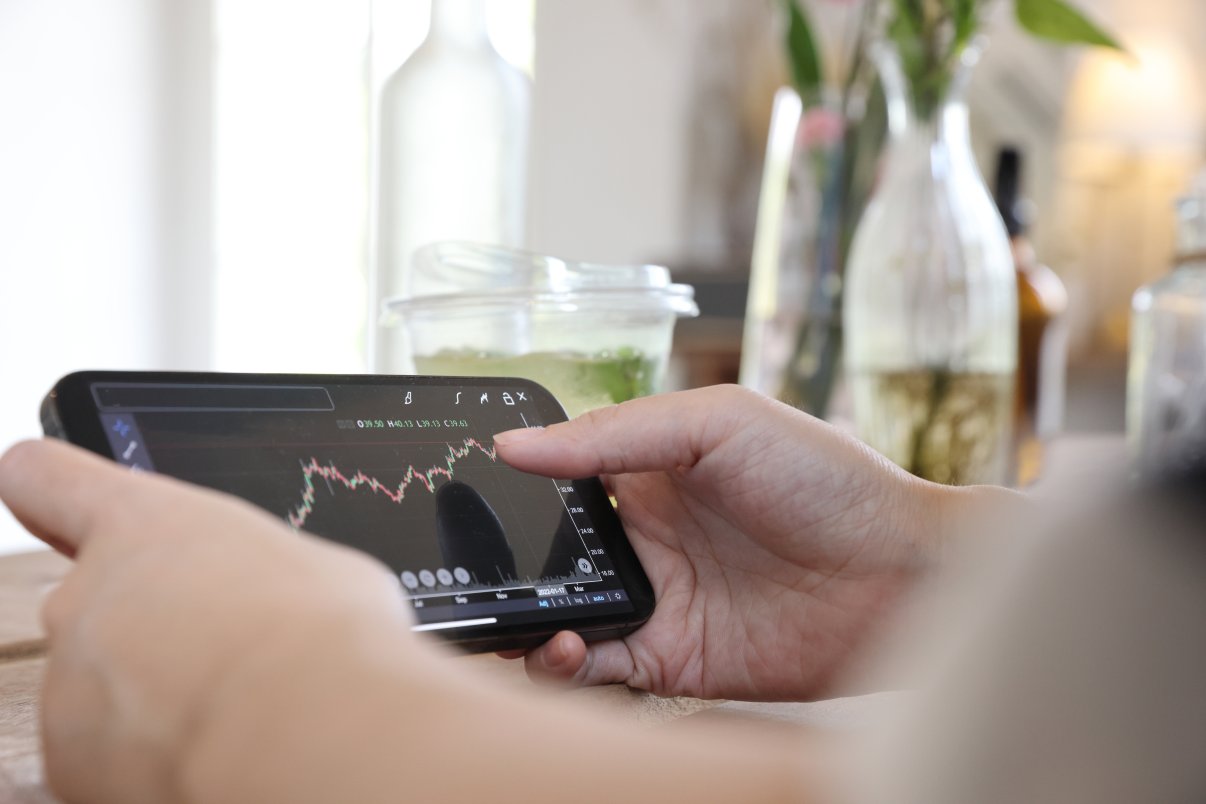
Understanding the Risks of Online (Forex) Trading Platforms for Consumers
Trading in currencies (foreign exchange or forex) is often marketed to consumers as a quick and easy way to make money. However, its rising popularity also attracts many scammers and frauds who provide illegitimate consultation services, groups and websites. Consumers report scams and unexpected charges and hidden fees.
Bad brokers
It is not easy for inexperienced, do-it-yourself private investors to choose an online broker: there are simply so many. Choosing a broker depends on your choice of trading instruments (the type of asset or contract you trade in, e.g. a specific currency pair). Although there are legitimate operators, the internet is also full of unreliable companies. These often do not hold a brokerage license. In some cases the ‘broker company’ is in fact only one individual.
Most common online trading scams
Scams come in different shapes and sizes:
- Fly-by-night-brokers
Fly-by-night brokers collect a deposit only to disappear overnight or declare a sudden (planned) bankruptcy. - Forex bucket shops
These more elaborate scams will sometimes create a full-fledged platform or website that copies the programmes of leading forex brokers. Traders do not really enter the market, but are only trading internally (within the ‘bucket’) with other traders on the fraudulent website, which causes them to lose money. - Pyramid schemes
Pyramid schemes encourage traders to recruit others, only to collect more deposits.
Some fraudsters do not stop and approach consumers again after they have been duped. The victim is offered help from a fake supervisory authority or specialised agency to recover the stolen or lost money. Consumers pay additional money for services to help recover their losses. Needless to say there is no chance of actually retrieving the money in these scams: the only way forward is to report the scam to the police.
What to look for in an online trading platform
Before deciding to open a new account with a broker, to sign up and to make a deposit, consumers should always perform some important checks:
- Check if the broker’s website has an SSL-certificate.
- Check which licensing and regulatory information the broker provides on the website. Be sure to also check the mentioned regulator’s website or to contact the regulator to confirm that the broker is indeed licensed and has a registration number.
- Check the feedback you find about this broker on independent websites. Many trading associations also offer blacklists of untrustworthy brokers.
Fees and hidden costs
Traders often have to pay a fee for performing certain actions. Because of these fees, millions of digital stock traders are nudged to trade more frequently than they should. And to make riskier trades. This often leads to losses and worse long-term results.
Although many platforms now also offer trades without commission, charges apply all the same. Fund management fees linked to the brokerage account may range from 0.5% or less for an index fund or exchange-traded fund (ETF) to 1% or more for actively managed funds. There are also specific costs for purchasing mutual funds and fees for individual management advice.
Traders may also lose out on money through the lowering of interest rates on their sweep accounts. These accounts are the default option where users store cash deposits. It therefore pays to look beyond commission fees and to add up all your investment expenses. Like for most things, cost transparency is an important indicator of a platform’s trustworthiness.
The European Consumer Centres Network
The European Consumer Centres Network occasionally hears stories about digital (forex) trading platforms from consumers. We can offer help in limited cross-border conflict situations between consumers and legitimate trading companies in the EU, Norway and Iceland, but generally do not specialise in financial services and disputes.
Consumers who have a problem with an online trading platform are advised to contact:
- The Financial Dispute Resolution Network (FIN-NET)
FIN-NET offers out-of-court dispute resolution for problems with a financial service provider (e.g. banks, credit card companies, insurance companies and investment companies such as stock brokers). Contact a member of FIN-NET if you live in the EU, Norway, Iceland or Liechtenstein and have a complaint against a financial services provider in another one of these countries. - Their National Competent Authority (NCA)
If you wish to report a certain trading platform or investment company, contact the National Competent Authority for finance in your country. Authorities generally do not act in individual cases, but your complaint may cause the authority to take action against a company that does not abide by the rules. - The European Securities and Markets Authority (ESMA)
ESMA is the EU’s financial markets regulator and supervisor. ESMA's website provides useful information to help you make well-informed investment decisions, to avoid fraud and about how to make a complaint against financial market participants. - The police
If you believe you are dealing with a scam or fraud, contact the police in your country and report it.