

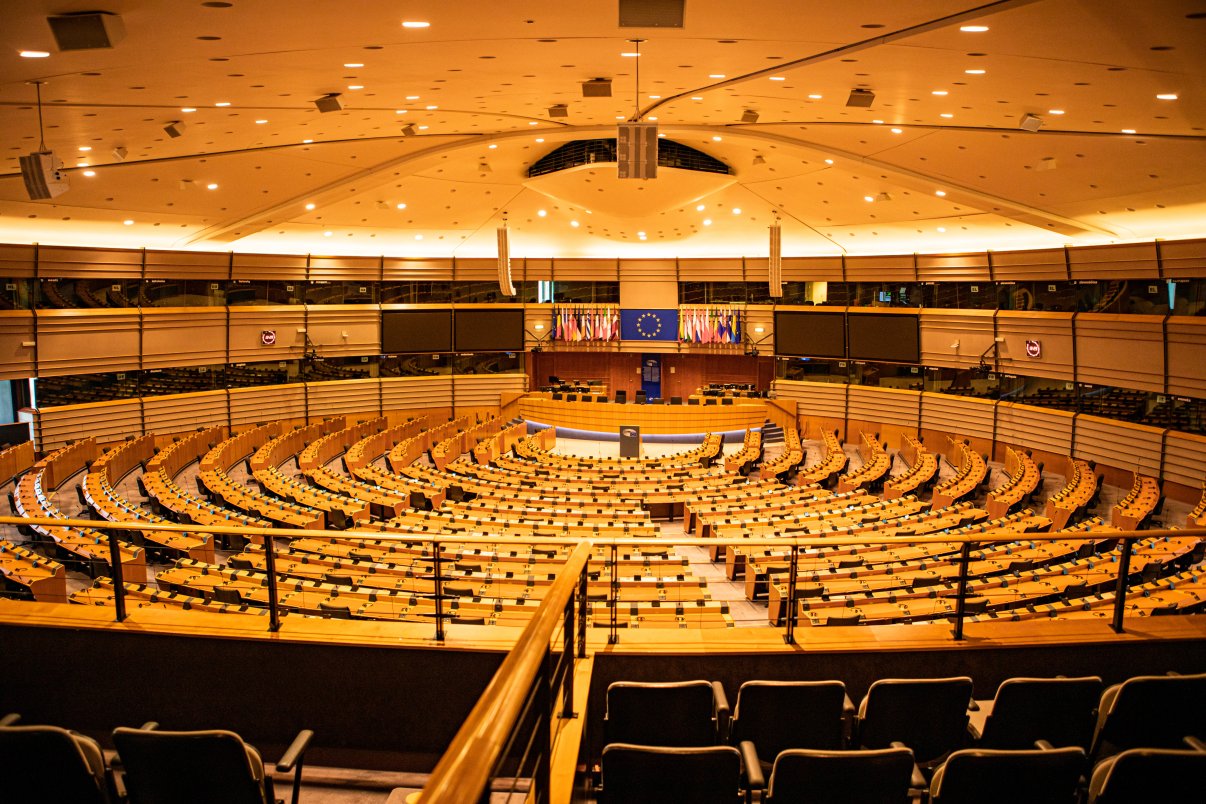
European Elections: ECC-Net’s Recommendations for the Next Term
The European Union has established numerous rights to protect consumers and travellers. However, the development of consumer habits and evolution of technologies, such as Artificial Intelligence (AI), require progressive consumer protection laws for the future. The European Consumer Centres Network (ECC-Net) provides recommendations to adequately protect consumers’ rights in the rapidly evolving digital world.
Evidence-based recommendations
Since 2005, ECC-Net has been promoting consumer rights. The network comprises European Consumer Centres (ECCs) across all EU countries, Norway, and Iceland. In 2023 alone, ECC-Net assisted consumers with over 124,000 cases concerning traders across the border and recovered almost 9 million euro.
As a key point of contact for consumers, ECC-Net identifies prevalent issues across the EU and provides evidence-based recommendations to enhance consumer protection legislation.
Focus areas for consumer protection
Based on our experience and complaints received from consumers, ECC-Net proposes that the new Members of the European Parliament take action in the following areas to protect consumers:
- Digital marketplaces, payment services, and influencer marketing
- AI applications in e-commerce, digital platforms and social networks
- Travellers' rights, specifically for air passengers
Accountability of digital marketplaces
In digital marketplaces, consumers often encounter challenges in assessing the reliability of presented products and identifying the sellers. This particularly applies to products from outside the EU, which may not adhere to European safety standards. Marketplaces should be accountable for allowing unsafe products in the EU and ensure sellers can be contacted or identified if necessary.
Secure online payments
Cyberthreats and fraud are becoming more prevalent and harder to recognise for consumers of all ages. Therefore, it is important to provide adequate security measures in online payment solutions. Payment service providers should be mandated to improve fraud detection and streamline consumer reporting. In addition, the reimbursement process through the card issuers' chargeback mechanism needs to be standardised.
Clear rules for influencer marketing
The European Commission recently investigated influencers’ commercial posts and found that only 20% of the investigated posts were properly labelled as advertisements. This finding highlights the need for clear regulations that define influencer marketing, ensure transparency, and hold influencers accountable for issues with products.
Protecting consumers against AI
Artificial intelligence is becoming increasingly prevalent in consumers’ lives. For example, algorithms on online platforms leverage personal data to determine which products consumers are most likely to purchase. This may affect the ability of consumers to make informed and conscious choices when shopping online.
The European Union recently introduced the AI Act, providing an initial legal framework for AI use in the EU. However, the rapid technological advancement of AI requires frequent evaluation of this framework. New policymakers can also build upon this framework to address the risks of AI.
Establish an obligation to inform about AI use
For instance, the framework could include an obligation to inform consumers when an algorithm uses their personal information (related to their purchasing behaviour, health, or finances) to sell them goods and services.
Ensure human contact options
Additionally, when a company delegates its customer service to an AI-powered chatbot, consumers should always be able to contact a human being instead.
Improving travellers' rights
Key focus points for the upcoming legislative period include transport and travel regulations. This presents a perfect opportunity to modernise the 2004 air passengers rights regulation to better address current issues. Specifically, ECC-Net recommends to:
Protect consumers against airline insolvencies
One issue that frequently reoccurs is airline insolvency. ECC-Net examined bankruptcy cases and found that EU passengers, on average, lose 431 euro when an airline declares bankruptcy. Therefore, it is urgent to establish a guarantee system to protect consumers when this happens.
Clarify 'extraordinary circumstance'
In their daily practice, ECCs encounter issues with different interpretations of concepts such as 'extraordinary circumstance'. This concept has not been defined in the current air passenger rights regulation. It would benefit both consumers and airlines to define the term and list specific events that could justify non-compensation from an airline.
Standardise luggage weight and size limits
ECC-Net advocates establishing standard weight and size limits for cabin luggage, which would make it easier to compare prices at the time of booking.
Ensure transparency by intermediaries
Online booking platforms and price comparison websites frequently present opaque pricing and may not promptly assist consumers or provide timely refunds for cancelled tickets. Therefore, ECC-Net suggests implementing specific rules for online booking platforms and online intermediaries.
Want to know more?
For a comprehensive overview of ECC-Net's recommendations, please head to Consumer Empowerment: ECC-Net's Recommendations Post-European Elections 2024/2029.