

Safe Ways to Pay: the Pros and Cons of 4 Popular Payment Methods
In the digital world consumers have more and more choice when it comes to payment methods. Each payment has its own advantages, disadvantages and risks. This article may help you identify which payment method best suits your needs.
Instalment payments
Instalment payments allow consumers to pay a bill in several small instalments throughout a fixed period of time.
Advantages:
- The payment almost always happens instantaneously.
- The creditworthiness assessment (if any) is often simplified.
- There generally are no additional costs to use the service.
Disadvantages and risks:
- It is easy to lose control of your spending under the pressure of intensive advertising. You should only use instalment payments if you can afford what you are buying.
- It may be more difficult to obtain a refund if your order never arrives or is faulty.
- If you miss or are late paying an instalment, penalties are generally high and substantially increase the final amount you will have to pay back.
Instant transfers
Instant transfers are new in large parts of the EU and are rapidly gaining popularity.
Advantages:
- The payment happens instantaneously (rather than traditional transfers which can take several days).
- The payment option is available 24 hours a day and 7 days a week.
Disadvantages and risks:
- The speedy nature of this payment option can also be a disadvantage, as it is often impossible to revoke a payment.
- There is often a maximum limit for a transaction.
- There may be higher fees than for traditional transfers.
- Unfortunately, instant transfer payment links are also popular with scammers. Some scammers set online traps pretending to send users money, pretending to be from a company or recognized body. Emails and messages may phish for personal data, financial data or payments.
Contactless payments
Near-field communication (NFC) and radio-frequency (RFID) technology have revolutionised the payment landscape, allowing consumers to use contactless payments.
Advantages:
- The speedy nature of this payment method – simply hold a credit or debit card near a payment device – has reduced long queues in shops.
- The reduction of physical contact proved very helpful during the COVID-19 pandemic to ensure the health and safety of staff and shoppers. This caused major financial institutions throughout Europe to raise their contactless payment limits.
Disadvantages and risks:
- If your card is lost or stolen, thieves will be able to make purchases until your maximum contactless payment limit is reached. It can be difficult for payment providers to detect such fraudulent activities at an early stage.
- It is unlikely you will be able to use contactless payment for bigger purchases such as TVs or sofas, as contactless payment limits often do no allow for larger purchases due to safety reasons.
Smartphone payments
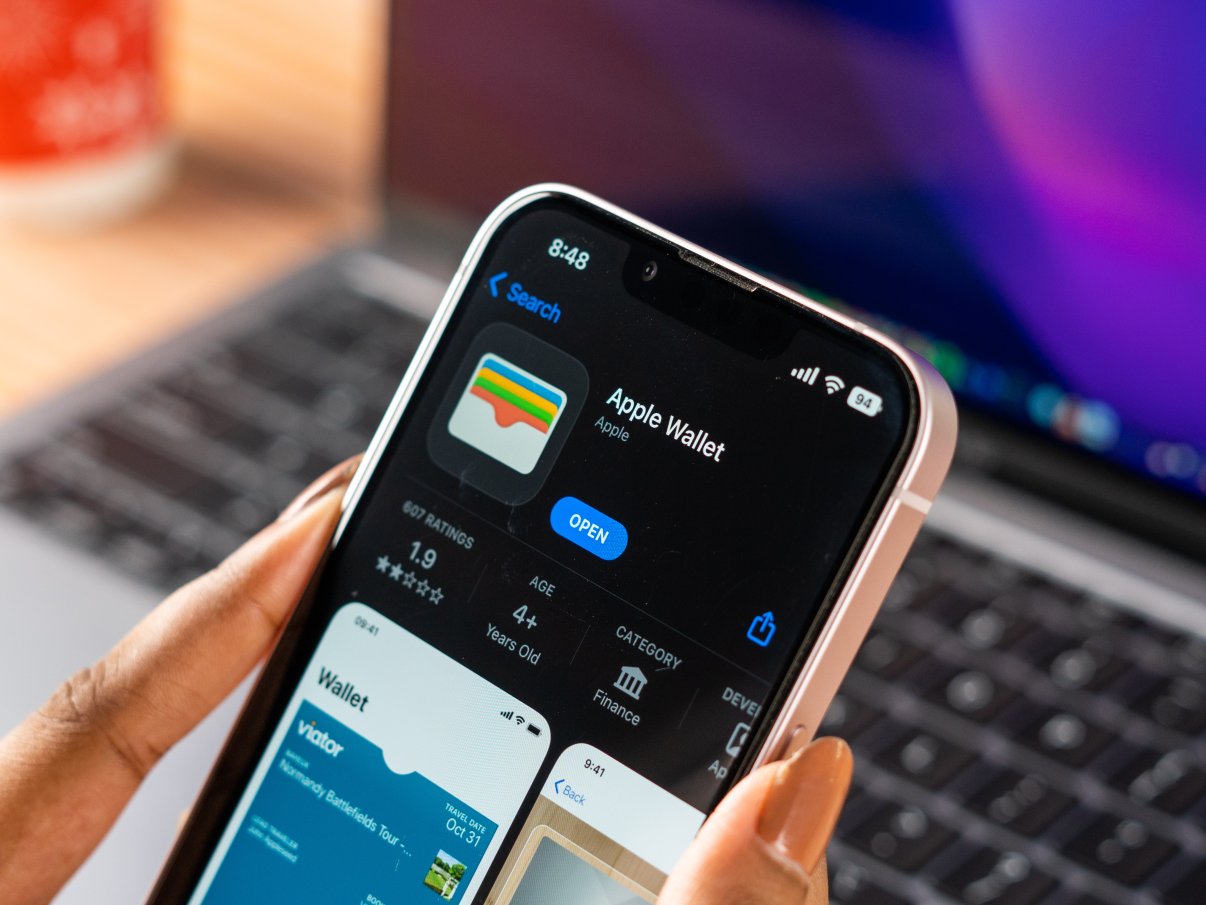
Smartphone payments are a type of contactless payments. Many consumers use ‘mobile wallets’: apps that allow us to store bank and credit cards, travel tickets and more in one digital place.
Advantages:
- These payments are extremely fast: one tap against a screen is often enough to complete the payment.
- These mobile wallets are generally considered secure, since they encrypt your data and cannot be accessed by traders or other people.
Disadvantages and risks:
- Mobile wallets often store a lot of sensitive data in once place. It is therefore always a good idea to protect mobile wallets with two-factor authentication or an additional password.
- If there are ever issues with your phone, you may lose access to important data and payment methods.