Online Fraud
11 January 2023
This report researches and highlights the problems consumers face when shopping online. It also provides tips and practical advice on how to avoid falling victim to scams.
Highlights of the report
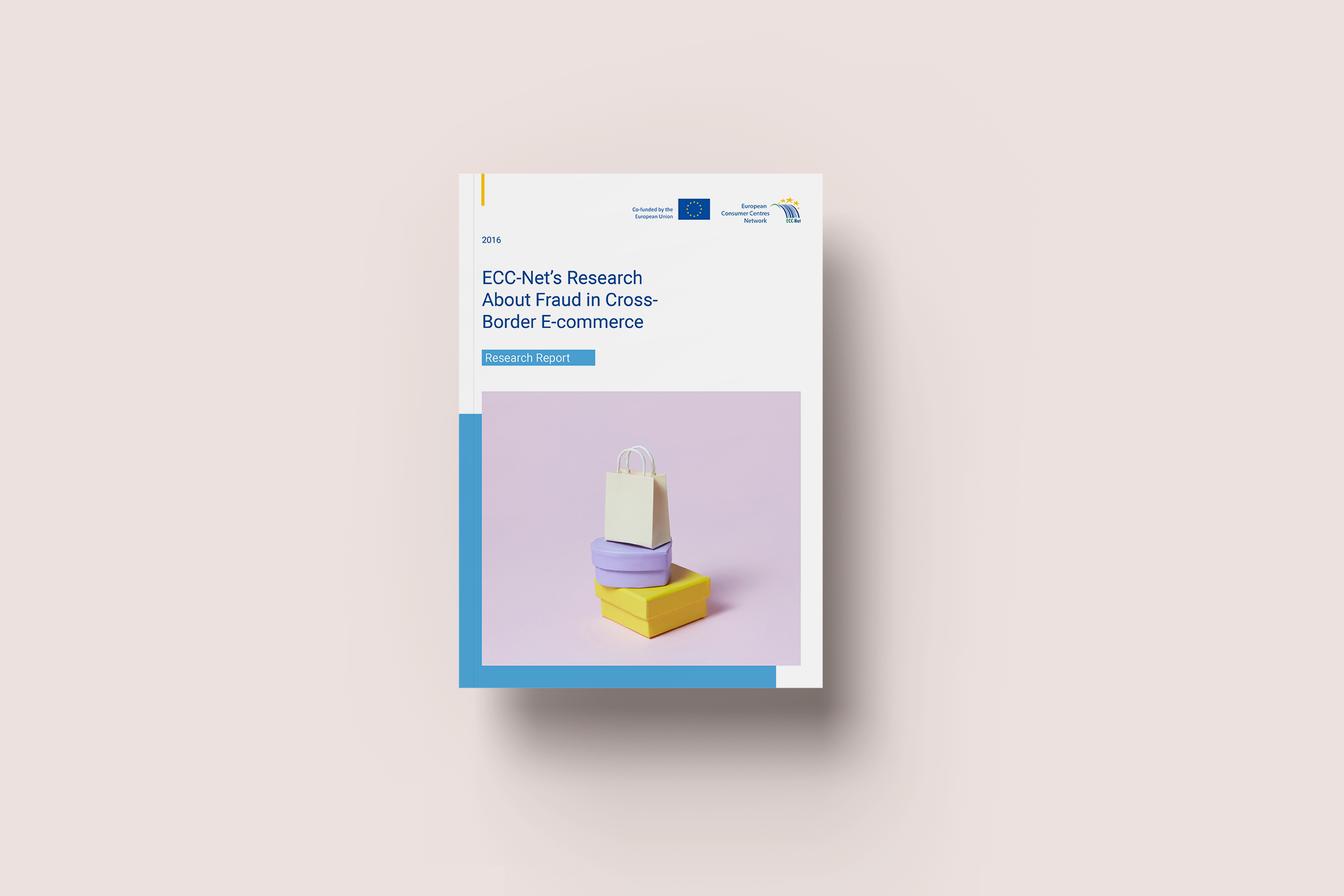
The report prepared by the European Consumer Centres Network (ECC-Net) sheds light on the escalating issue of fraud in cross-border e-commerce, presenting a comprehensive analysis of the problem and offering practical advice to consumers. Here are some of the key highlights:
- Prevalence of online shopping
- Nearly 70% of Europeans regularly use the internet, with 45% shopping online and 11% engaging in cross-border purchases(FOREWORD Fraud in cross).
- E-commerce offers numerous advantages such as a vast selection of goods, competitive prices, and the convenience of 24/7 shopping from home(FOREWORD Fraud in cross).
- Risks and types of fraud
- The report identifies several types of fraud that are prevalent in cross-border e-commerce. These include fraudulent websites, phishing scams, identity theft, and online dating fraud(FOREWORD Fraud in cross).
- Fake websites often sell popular electronic products at significantly reduced prices but fail to deliver the goods, leaving consumers without their money or the products they ordered(FOREWORD Fraud in cross).
- Investment scams, particularly in the Forex and binary options markets, are highlighted as emerging threats. These scams involve traders outside the EU who are not authorized to sell their products within the EU, leading to substantial financial losses for consumers(FOREWORD Fraud in cross).
- Impact on consumer behavior
- The fear of online fraud has significantly impacted consumer behavior, deterring many from engaging in cross-border e-commerce(FOREWORD Fraud in cross).
- Despite the fears, the incidence of actual fraud experienced by consumers is relatively low, with less than 0.2% of online shoppers encountering problems such as stolen payment card details or misuse of personal data(FOREWORD Fraud in cross).
- Consumer protection and advice
- The ECC-Net plays a crucial role in providing consumers with information about their rights under European consumer legislation and assisting in the resolution of cross-border complaints(FOREWORD Fraud in cross).
- Practical advice is offered to consumers on how to avoid falling victim to scams, such as being cautious about too-good-to-be-true deals, verifying the credibility of websites, and using secure payment methods(FOREWORD Fraud in cross).
- Case studies
- The report includes case studies that illustrate common scams. For example, a Bulgarian consumer lost money to a fraudulent seller on Skype who failed to deliver the purchased mobile phones and demanded additional payments under false pretenses(FOREWORD Fraud in cross).
Want to know more?
Download the full report to gain deeper insights into the various types of fraud in cross-border e-commerce and learn how consumers can protect themselves from becoming victims.