ECC-Net offers its expertise on cross-border consumer topics
29 centres across all EU Member States, Norway and Iceland, work closely together to resolve consumer disputes in an amicable manner. Each centre is co-funded by the European Union and national governments. By providing a full and centralised service, ECC-Net is committed to empowering consumers and enabling them to take full advantage of the Single Market. The primary role of ECC-Net is to enhance consumer confidence when engaging in cross-border transactions by providing free information and advice to the public on their rights as consumers, as well as assistance in the resolution of cross-border consumer disputes.
ECC-Net also contributes to the cooperation between national authorities responsible for the enforcement of consumer protection laws (CPC-Network), as an external alert mechanism. In the following pages, ECC-Net will share its insight into the most pressing issues European consumers are facing today and provide evidence-based feedback to policy makers.
Legislative achievements 2019-2024
ECC-Net appreciates the achievements in enhancing consumer protection between 2019 and 2024. European Union regulations and directives have introduced new rights to empower and protect consumers across various sectors. Rail passengers now have options for alternative travel and refunds in case of cancellations or missed connections. The Digital Services Act ensures better information and protection against illegal products on online marketplaces. The Digital Markets Act curtails the dominance of tech giants and enhances consumer control over preinstalled software and personal data. Consumers also have strengthened rights in areas such as sales of goods, representative actions, cross-border payments, digital content, and financial services contracts. These measures aim to promote transparency, fairness, and accessibility, contributing to a more consumer-friendly environment in the EU.
The full list of the concluded legislation that promotes consumers rights can be found in the Annex. On the way for conclusion:
- The recent legislative push for extended product lifespan, reparability and sustainable ecodesign aligns with ECC-Net’s priorities, which fully support products to be designed for longevity and ease to repair. ECC-Net’s support emphasises the need for ethical production practices, standardised and accessible repair information, and measures against planned obsolescence, making it a cornerstone of consumer protection and environmental stewardship. Here you can read in detail the position and recommendations of the Network in a comprehensive position paper https://www.eccnet.eu/publication/right-repair-european-union
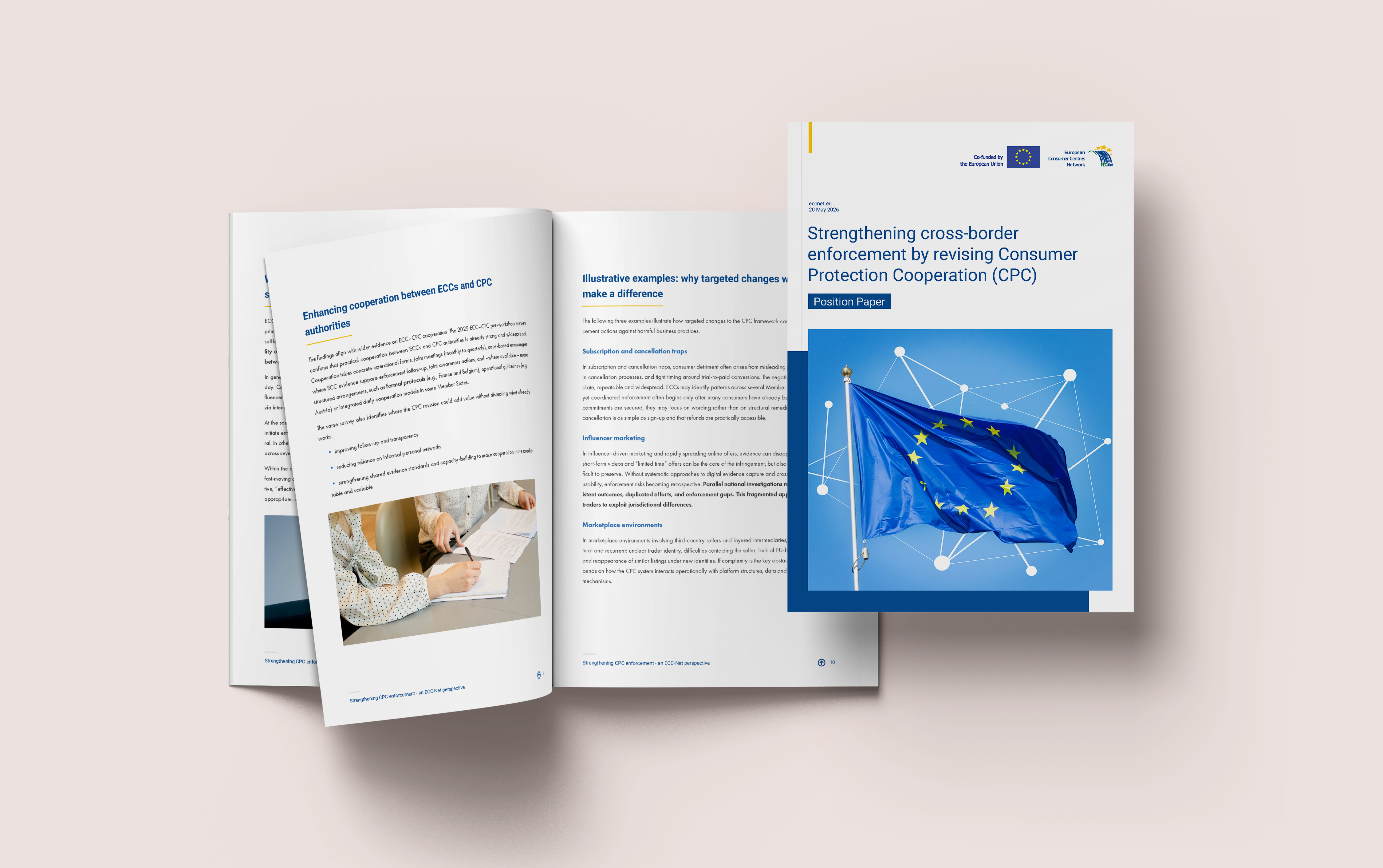
- The European Commission has recently proposed new measures to streamline alternative dispute resolution (ADR) in the digital market. A key element of this proposal is the designation of European Consumer Centres (ECCs) as ADR contact points. More detailed info on our paper: https://www.eccnet.eu/publication/eccs-ideal-candidates-adr-contact-poi…;
- ECC-Net eagerly anticipates the comprehensive reform introduced by the legislation 2023/0156(COD), which aims to establish the Union Customs Code and the European Union Customs Authority. This significant overhaul is expected to streamline customs procedures, enhance efficiency, and bolster security within the EU’s trading ecosystem, benefiting both consumers and businesses. By modernising customs operations, ECC-Net views this development as a pivotal step toward facilitating smoother trade, ensuring product safety, and reinforcing the integrity of the Single Market, aligning with its mission to protect and empower consumers.
Priorities for consumer protection 2024-2029
As the digital landscape evolves and new consumer challenges emerge, it is imperative that the European Union adapts and responds with robust, forward-thinking legislation. The term 2019- 2024 saw significant advancements in consumer rights within the EU, setting a strong foundation for future action. However, the lives of European consumers become ever more complex, so do the challenges for an effective EU consumer policy. To ensure consumers remain in the spotlight and protected in an increasingly complex world, legislators must focus on several critical issues in the term leading up to 2029. These include advancements in artificial intelligence (AI), the regulation of digital payments, enhancements to passenger mobility and rights, and the protection against fraud and exploitation.
We are convinced that a European Parliament that is strongly committed to addressing consumer issues has a strong hand of cards when it comes to responding to people’s expectations. ECC-Net campaign priorities:
- AI and digital risks: Safeguarding Consumer Interests
- Secure Digital Wallets: Enhancing Digital Payment Safety
- Scam-Proof Futures: Fortifying Against Fraud and Scams
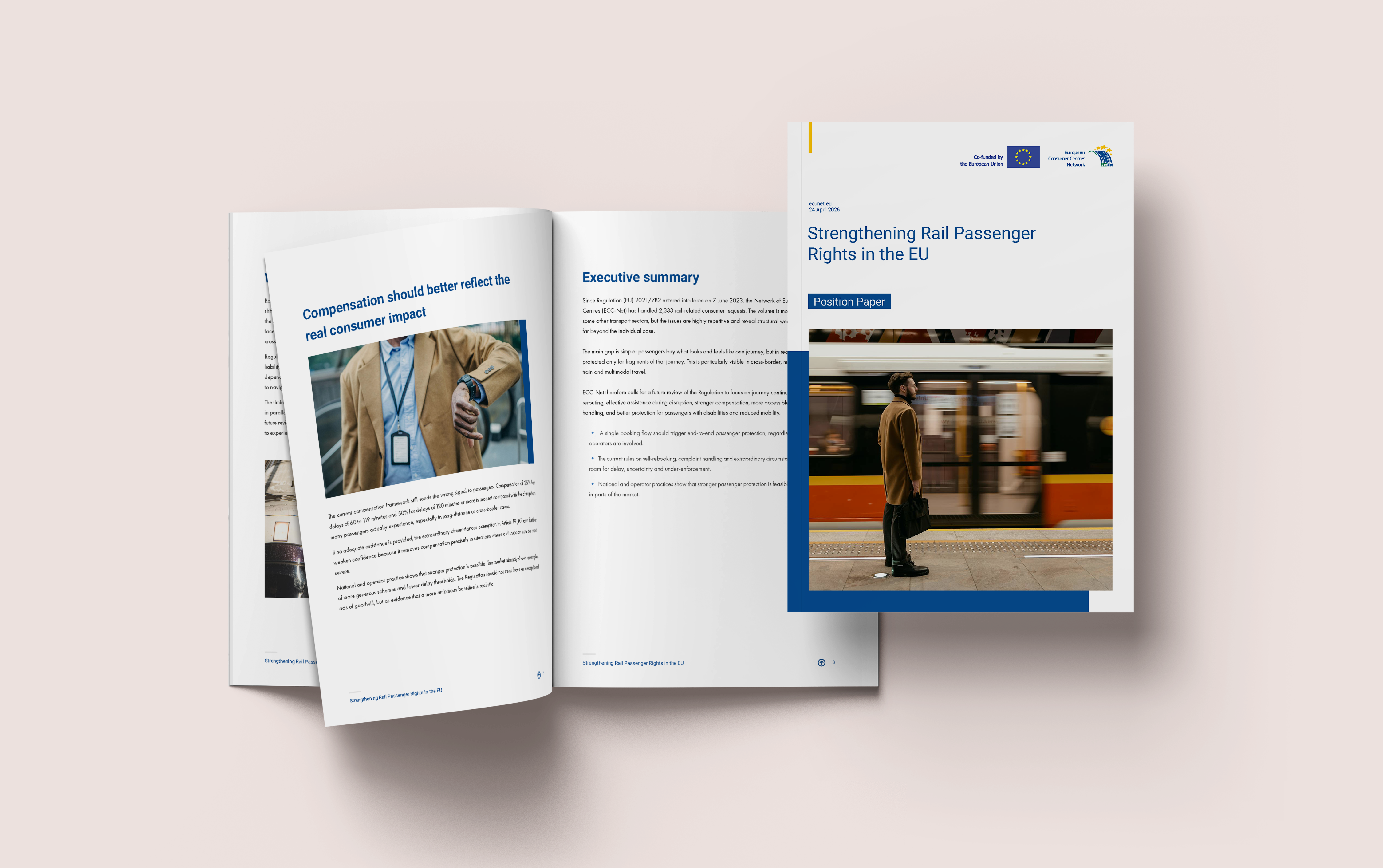
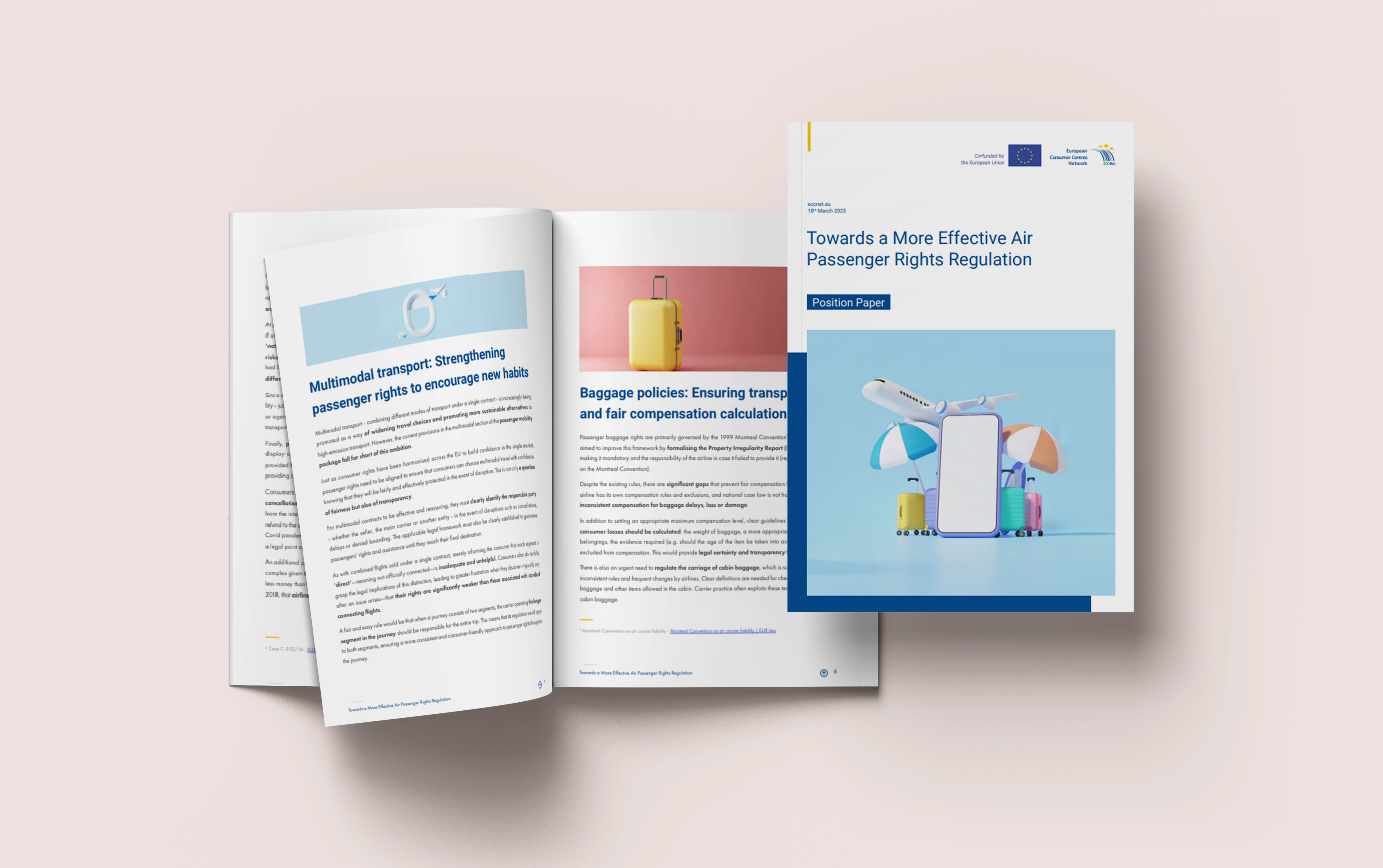
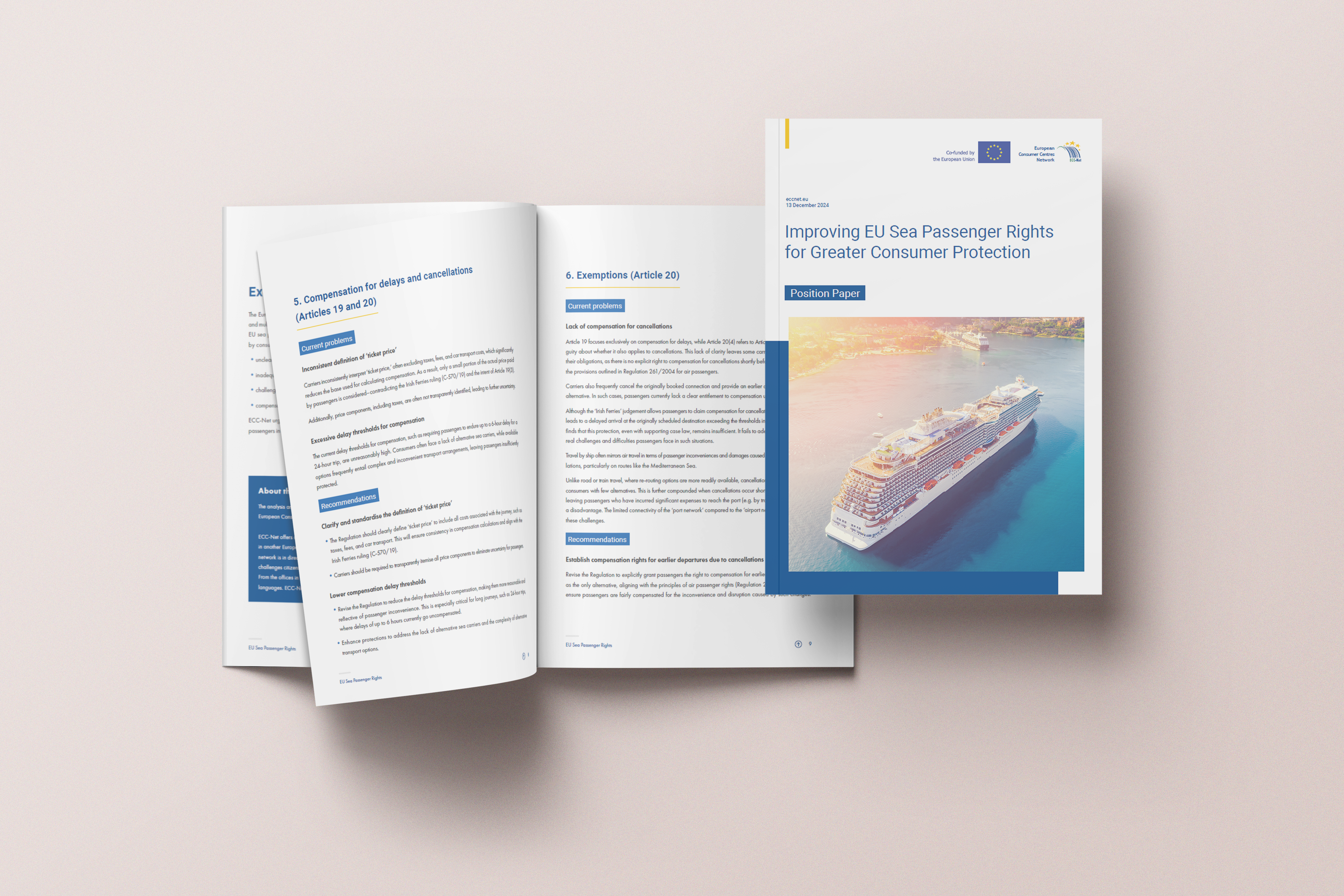
- Travel Empowered: Revolutionising Passenger Rights
- A true Single Market: persisting issues
ECC-Net's recommendations
ECC-Net, the European Consumer Centres Network, has put forward a series of crucial recommendations aimed at enhancing consumer protection across Europe. Drawing on extensive experience and data from its 29 centres, ECC-Net addresses pressing issues such as digital risks, secure payment systems, and effective dispute resolution mechanisms. Their recommendations are designed to strengthen consumer rights, improve transparency, and ensure that the evolving digital and economic landscape remains fair and accessible. By advocating for targeted legislative amendments and regulatory improvements, ECC-Net aims to empower consumers and bolster their confidence in cross-border transactions within the Single Market.